Are you tired of sky-high energy bills? Want a more comfortable, energy-efficient home without breaking the bank? Then improving your home's insulation is the key. This comprehensive guide will walk you through everything you need to know to dramatically reduce your energy costs and boost your home's value.
Understanding Insulation and Its Importance
Insulation is crucial for maintaining a comfortable indoor temperature year-round. It acts as a barrier, preventing heat from escaping in winter and keeping cool air inside during summer. By reducing heat transfer, insulation significantly lowers your reliance on heating and cooling systems, leading to substantial energy savings and lower utility bills. Proper home insulation improves energy efficiency, contributing to a smaller carbon footprint and a more sustainable lifestyle. Improved thermal insulation translates directly into enhanced comfort levels, reducing drafts and temperature fluctuations throughout your home. This ultimately leads to a more enjoyable and healthier living environment. Investing in better insulation is an investment in long-term energy conservation and increased home value.
Types of Insulation Materials
Several insulation materials offer varying levels of effectiveness and cost. Choosing the right one depends on your home's construction, budget, and specific needs. Here’s a breakdown of common options:
Fiberglass Insulation
Fiberglass is a widely used, cost-effective option available https://www.boldsealinsulation.com/about-bold-seal-insulation in batts, rolls, and loose-fill forms. Its affordability and ease of installation make it a popular choice for DIY projects. However, fiberglass insulation prices vary depending on the R-value and thickness. It's also important to wear protective gear during installation, as fiberglass fibers can irritate skin and lungs.
Cellulose Insulation
Made from recycled paper products, cellulose insulation is a sustainable and effective option. It offers excellent energy saving properties and helps dampen sound, making it a good choice for noise reduction. Cellulose is blown into place, filling cavities effectively and minimizing air gaps. Its excellent energy-saving properties contribute significantly to lowering your energy bills.
Spray Foam Insulation
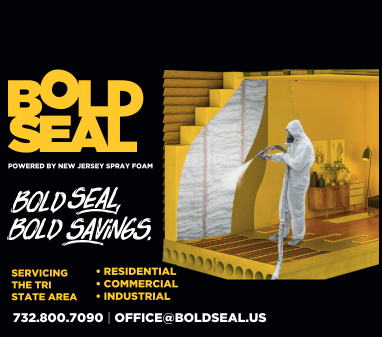
Spray foam insulation provides a superior air seal, reducing drafts and air leakage. Its high R-value makes it incredibly effective at controlling both heat gain and heat loss, resulting in significant cost savings on heating and cooling. While spray foam insulation is more expensive upfront, the long-term energy savings often make it a worthwhile investment. However, professional installation is usually required for this type of insulation.
Radiant Barriers
Radiant barriers are reflective materials installed in attics or walls to reduce heat transfer. They work by reflecting radiant heat back to its source, minimizing heat gain in summer and heat loss in winter. Radiant barriers are particularly effective in hot climates and can significantly reduce energy consumption. They’re often used in conjunction with other insulation types for maximum energy efficiency.
Benefits of Insulating Your Home
Insulating your home offers numerous benefits beyond lower energy bills. It contributes to a more comfortable living environment by stabilizing indoor temperatures, minimizing drafts, and reducing noise pollution. A well-insulated home experiences fewer temperature fluctuations, creating a more consistent and comfortable atmosphere. This improved comfort level translates to a more enjoyable living space for you and your family. Furthermore, improved insulation increases your home's value, making it a wise investment when it comes time to sell. Finally, improving your home's insulation is a sustainable choice, reducing your carbon footprint and supporting environmentally conscious practices.
How to Install Insulation
Whether you opt for DIY or professional installation depends on your skills, the complexity of the project, and your comfort level.
DIY vs. Professional Installation
DIY insulation installation can be a cost-effective solution for simple projects like attic insulation. However, professional installation is often recommended for more complex projects such as wall insulation, ensuring proper techniques are used for maximum effectiveness and to avoid potential mistakes that might compromise the insulation's performance and negate the benefits of an energy-efficient home. Professionals possess expertise and specialized equipment for efficient and correct installation. They can also identify and address any underlying issues such as air leakage or insufficient insulation in hard-to-reach areas.
Steps for Installing Attic and Wall Insulation
Installing attic insulation is usually a relatively straightforward DIY task. Begin by ensuring proper ventilation, then carefully lay insulation batts or blow in loose-fill insulation, aiming for consistent depth and coverage. Wall insulation is more complex, often requiring opening walls or using specialized techniques for existing structures. Consult building codes and follow safety guidelines meticulously during the installation process.

Conducting an Energy Audit
An energy audit provides a comprehensive assessment of your home's energy efficiency. A professional energy auditor can identify areas of heat loss and air leakage, providing customized recommendations for improvements, including insulation upgrades. An energy audit helps pinpoint specific areas where insulation is lacking or where air sealing is needed to maximize energy savings and minimize energy consumption. An energy audit can also recommend other energy efficiency upgrades.
Maximizing Energy Efficiency
Beyond insulation, several additional measures can maximize your home's energy efficiency. Regular maintenance of your HVAC system, installing energy-efficient windows and doors, and employing smart thermostats significantly reduce energy waste. These measures, combined with proper insulation, create a holistic approach to energy conservation. These efficient homes save energy and reduce energy consumption and utility bills.
Cost Analysis of Insulation Installation
While the upfront cost of insulation installation can vary, the long-term savings on energy bills often outweigh the initial expense. Insulation ROI (return on investment) can be substantial, especially with energy rebates and tax credits available in many regions. Consider factors such as material costs, labor costs (if hiring professionals), and potential energy rebates when evaluating the overall cost. Long-term energy savings and increased comfort levels are among the major factors to consider when calculating the insulation ROI.
Frequently Asked Questions
- What is the best type of insulation for my home? The best insulation depends on your budget, climate, and home's construction. Consult with an insulation professional or energy auditor for personalized advice. How much money can I save by insulating my home? Savings vary depending on your home's current insulation levels and energy usage. An energy audit can provide a more accurate estimate. How often should I check or replace insulation? While insulation doesn't typically need frequent replacement, regular inspections are recommended to ensure its effectiveness. Are there any grants or rebates available for upgrading insulation? Many local and national programs offer grants or tax credits for energy-efficient home improvements, including insulation upgrades. Check with your local utility company or energy agency for details.
Green Certifications and Insulation Options
Increasingly, homeowners are interested in sustainable and eco-friendly building practices. Several insulation options are made from recycled materials or boast lower environmental impact, aligning with green building certifications and practices. Choosing sustainable insulation materials contributes to a greener home and a smaller carbon footprint. Look for options like cellulose insulation, which is made from recycled paper. Green homes often feature high levels of efficient insulation.
The Long-Term Benefits of Home Insulation
Investing in proper insulation offers significant long-term benefits. Beyond lower energy bills and increased comfort, it also contributes to a higher home resale value. A well-insulated home is more attractive to buyers, representing a substantial return on investment. Moreover, reducing your home's energy consumption contributes to a lower carbon footprint and supports environmental sustainability, making it a responsible choice for homeowners committed to green building practices. Improved insulation equals higher property value and increased comfort.
Conclusion: Investing in proper home insulation is a strategic move towards long-term energy savings, increased comfort, and higher property value. By understanding the different types of insulation and implementing effective installation strategies, you can significantly reduce your energy bills and create a more sustainable and comfortable living space. Remember to explore available energy rebates and incentives to maximize your investment’s return. Start planning your insulation project today and enjoy the benefits of a warmer winter and cooler summer for years to come!